Why Permaculture Farming Is the Missing Link Between Nature and Food Security

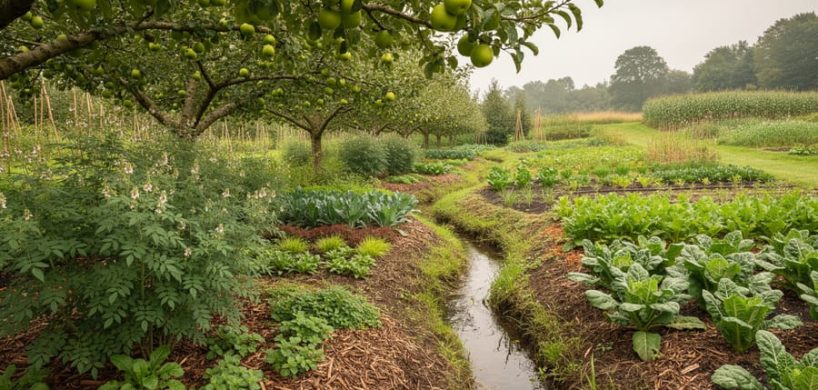
Layered permaculture garden with fruit trees, nitrogen-fixing shrubs, perennial vegetables, ground cover, and soil-rich mulch with water harvesting channels.

Permaculture farming is a design-based approach to agriculture that mimics natural ecosystems to create self-sustaining food production systems requiring minimal external inputs. Rather than fighting against nature with synthetic fertilizers and pesticides, permaculture works with natural patterns to build soil health, conserve water, and increase biodiversity while producing food. The method has moved from fringe concept to practical solution as conventional agriculture faces mounting pressure from climate instability, water scarcity, and soil degradation.
At its core, permaculture applies three ethics: care for the earth, care for…

What Is Vertical Farming (and How Does It Work)?

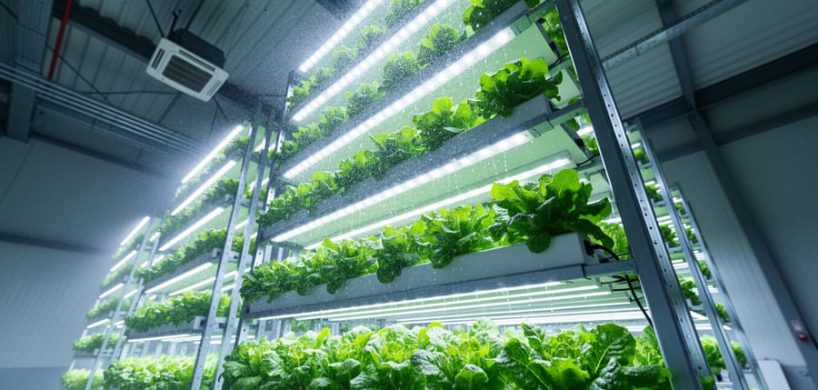
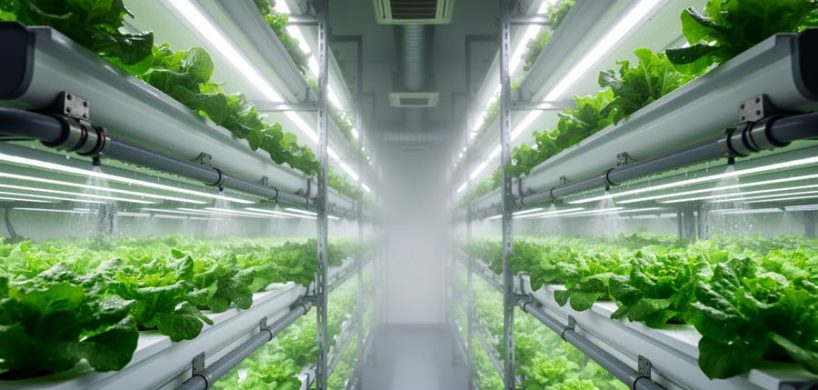
Leafy greens growing in vertically stacked hydroponic layers under LED lights inside a climate-controlled vertical farm.

Vertical farming is the practice of growing crops in vertically stacked layers within controlled indoor environments, using advanced technologies like LED lighting, hydroponics, and climate control systems to optimize plant growth without soil or natural sunlight. This agricultural innovation represents a fundamental shift in how we produce food, turning warehouses, shipping containers, and urban buildings into year-round production facilities that can operate anywhere, regardless of climate or geography.
As global populations concentrate in cities and arable land becomes increasingly scarce, vertical farming offers a practical …

Why Arable Farming Is Reinventing Itself for a Climate-Challenged World

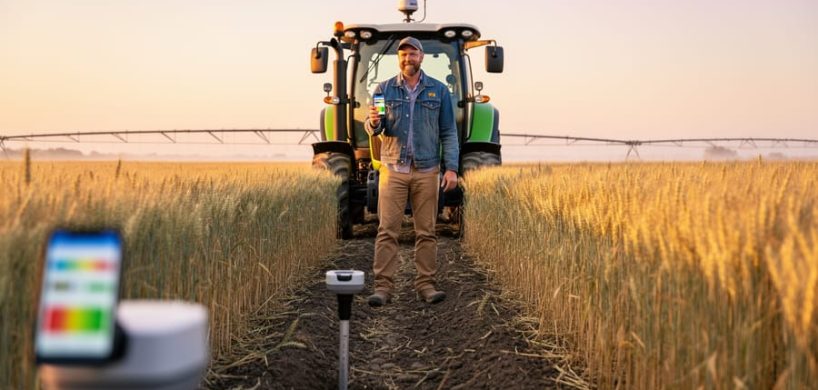
Sunrise in a wheat field with an autonomous tractor and a farmer holding a smartphone while using climate-smart soil monitoring.

Arable farming stands at one of the most transformative crossroads in agricultural history, where centuries-old soil cultivation meets precision technology that can predict yield outcomes down to the square meter. As of 2026, the 1.5 billion hectares of arable land worldwide must feed an increasingly urban population while contending with unpredictable weather patterns, depleted soil nutrients, and water scarcity that would have seemed unthinkable a generation ago.
The stakes couldn’t be higher. Traditional crop production on open fields still …