
Food manufacturing is the process of turning raw agricultural ingredients, such as grains, fruits, vegetables, dairy, and meat, into finished food and…
What Is the Food Manufacturing Process (and How Does It Work)?
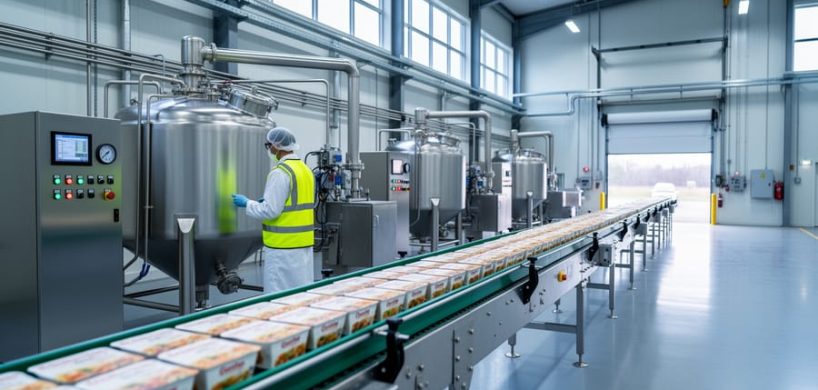
Food manufacturing is the process of turning raw agricultural ingredients, such as grains, fruits, vegetables, dairy, and meat, into finished food and…
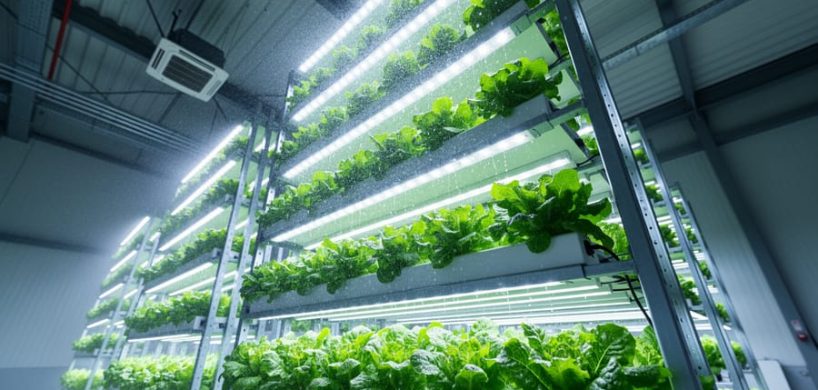
Vertical urban agriculture is the practice of growing food crops in vertically stacked layers within city environments, typically using controlled-environment agriculture technology in buildings, shipping containers, or modular structures. Instead of sprawling across acres of rural land, these farming systems rise upward, transforming warehouses, rooftops, and underutilized urban spaces into year-round production facilities that bring fresh produce closer to the people who consume it.
This approach to urban agriculture addresses a …
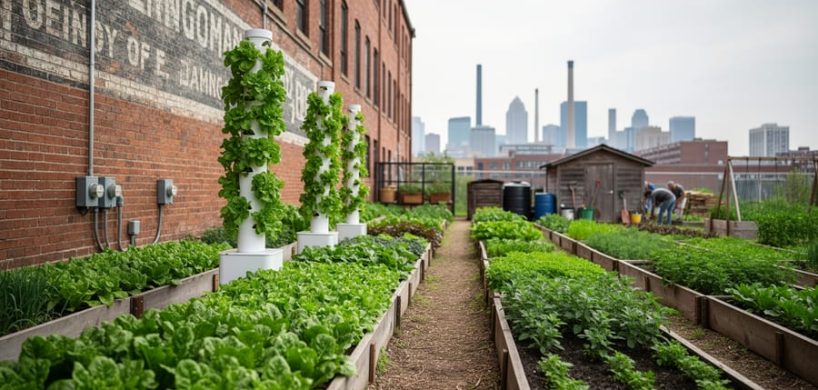
Detroit has emerged as the nation’s most recognized model for urban agriculture, transforming nearly 1,400 acres of vacant land into productive farms, gardens, and green infrastructure that feed thousands of residents while creating economic opportunity in neighborhoods once defined by abandonment. What is urban agriculture? In Detroit, it’s a multifaceted movement encompassing …
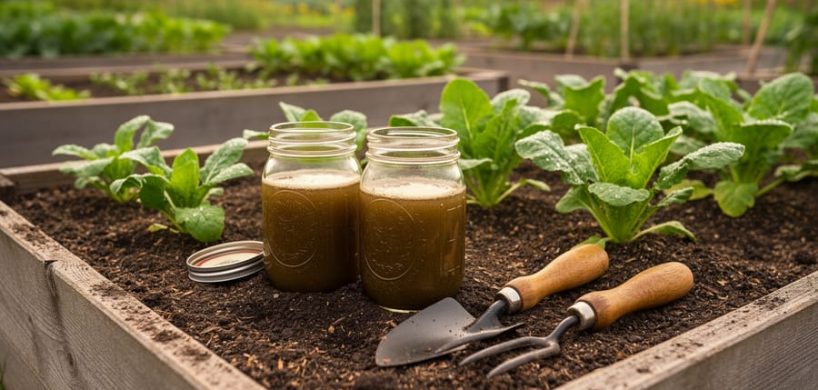
Jadam organic farming is a soil-focused, ultra-low-cost method that uses locally sourced materials to create microbial preparations, fertilizers, and pest controls for growing food without synthetic inputs. At its core, this approach centers on three interconnected techniques: cultivating beneficial microorganisms from your own soil, fermenting plant matter into liquid nutrients, and creating natural pesticides from simple ingredients like sea salt and cooking oil. Unlike many non-GMO farming systems that rely on purchased organic amendments, Jadam encourages growers to …
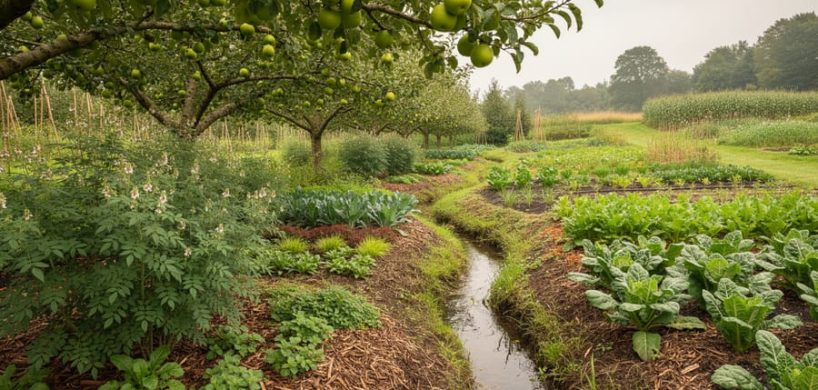
Permaculture farming is a design-based approach to agriculture that mimics natural ecosystems to create self-sustaining food production systems requiring minimal external inputs. Rather than fighting against nature with synthetic fertilizers and pesticides, permaculture works with natural patterns to build soil health, conserve water, and increase biodiversity while producing food. The method has moved from fringe concept to practical solution as conventional agriculture faces mounting pressure from climate instability, water scarcity, and soil degradation.
At its core, permaculture applies three ethics: care for the earth, care for…
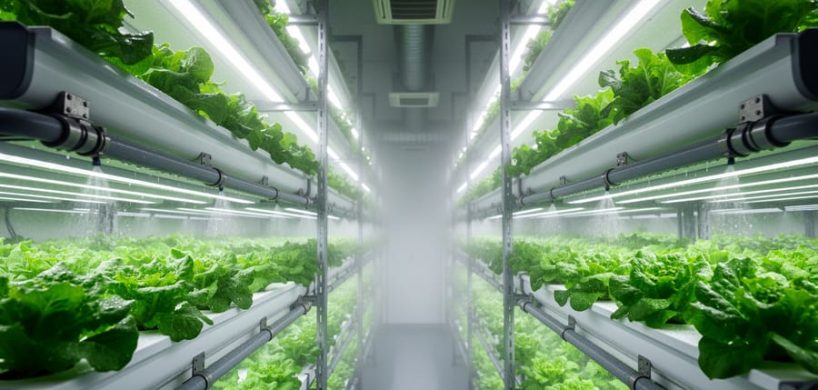
Vertical farming is the practice of growing crops in vertically stacked layers within controlled indoor environments, using advanced technologies like LED lighting, hydroponics, and climate control systems to optimize plant growth without soil or natural sunlight. This agricultural innovation represents a fundamental shift in how we produce food, turning warehouses, shipping containers, and urban buildings into year-round production facilities that can operate anywhere, regardless of climate or geography.
As global populations concentrate in cities and arable land becomes increasingly scarce, vertical farming offers a practical …
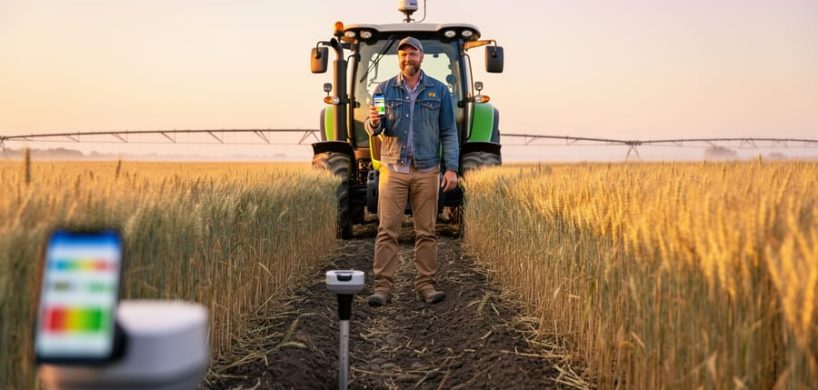
Arable farming stands at one of the most transformative crossroads in agricultural history, where centuries-old soil cultivation meets precision technology that can predict yield outcomes down to the square meter. As of 2026, the 1.5 billion hectares of arable land worldwide must feed an increasingly urban population while contending with unpredictable weather patterns, depleted soil nutrients, and water scarcity that would have seemed unthinkable a generation ago.
The stakes couldn’t be higher. Traditional crop production on open fields still …
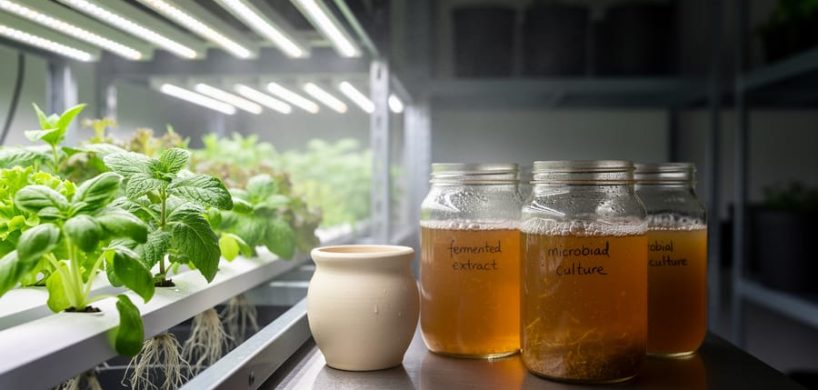
Korean Natural Farming represents a fundamentally soil-based agricultural philosophy that relies on cultivating indigenous microorganisms, creating fermented plant and animal inputs, and building living soil ecosystems over time. If you’re running hydroponic or indoor growing systems, you need to understand upfront that KNF wasn’t designed for controlled environment agriculture. The technique originated in South Korea through the work of Master Cho Han-kyu, who developed methods to collect and propagate naturally occurring beneficial microbes from forest floors, create nutrient-dense ferments from local plant materials, and …

The food we buy at the grocery store is often cultivated from facilities that employ chemicals to keep the land and its crops viable. Hydroponic food is distinguished by the fact that it is grown entirely without the need for soil or big outdoor spaces. With our vertical farming technology, green retain their nutritional value for longer. We cultivate delicious and flavorful fruits and vegetables all the time and deliver fresh vegetables to consumers quickly.
Hydroponic farms make it easier and faster to bring freshly grown vegetables to consumers’ plates. Such farms may even be built in any environment or structure since …
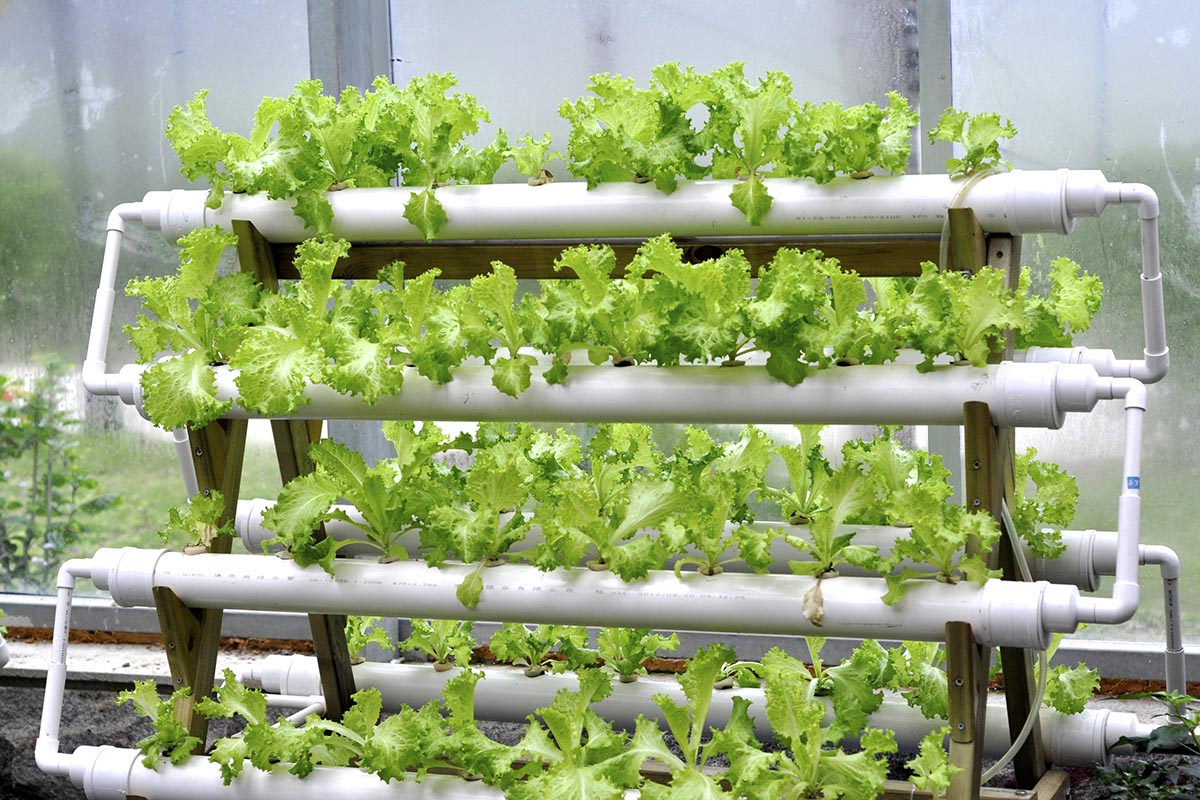
Our vertical farm is not just any regular hydroponic greenhouse. With agricultural technologies and customizable greenhouse systems, you can grow vast amounts of local products in a safe, sustainable, and efficient manner.
Our Greenhouses
Our greenhouses are built to help you grow and harvest over 50 varieties of produce. We have developed vertical farming technology that can provide the ideal balance of ventilation, nutrients, moisture, and hydration. This makes it possible to grow a wide range of fresh produce, from lettuce to berries to jalapenos, that are preservative-free and non-GMO.
Our micro-…