What Is Urban Agriculture (and How Does It Work)?
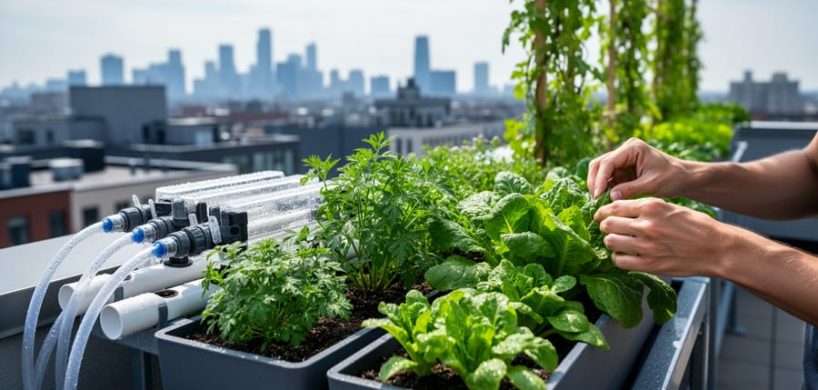
Close-up view of leafy green plants in rooftop planters and a compact hydroponic system with tubing, with a gardener’s hands adjusting herbs and a blurred city skyline in the background.

Urban agriculture is the practice of cultivating, processing, and distributing food within cities and towns, transforming underutilized spaces into productive growing environments. From rooftop gardens and vertical farms to community plots and hydroponic greenhouses, this approach brings food production directly into the urban landscape where most of the world’s population now lives.
The concept matters because cities face mounting pressure to address food security, environmental resilience, and sustainability challenges. By 2026, over 60% of the global population resides in urban areas, yet nearly all their food travels …

How to Start Jadam Organic Farming: Low-Cost Steps for Sustainable Agriculture

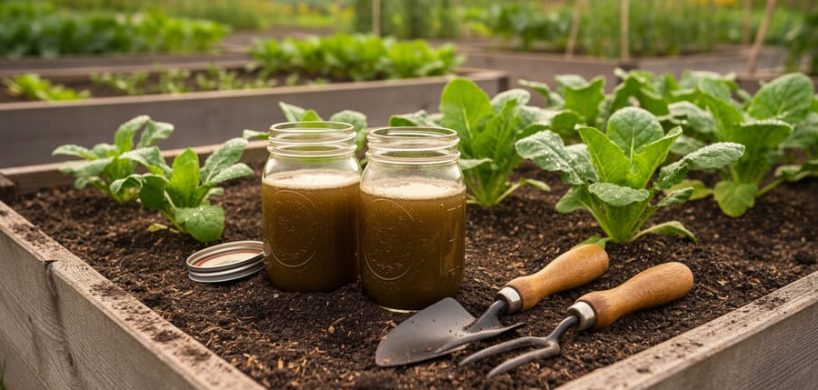
“Dark, crumbly organic soil in a garden bed with leafy plants and homemade microbial preparation jars with natural liquid beside simple tools.”

Jadam organic farming is a soil-focused, ultra-low-cost method that uses locally sourced materials to create microbial preparations, fertilizers, and pest controls for growing food without synthetic inputs. At its core, this approach centers on three interconnected techniques: cultivating beneficial microorganisms from your own soil, fermenting plant matter into liquid nutrients, and creating natural pesticides from simple ingredients like sea salt and cooking oil. Unlike many non-GMO farming systems that rely on purchased organic amendments, Jadam encourages growers to …

Why Permaculture Farming Is the Missing Link Between Nature and Food Security

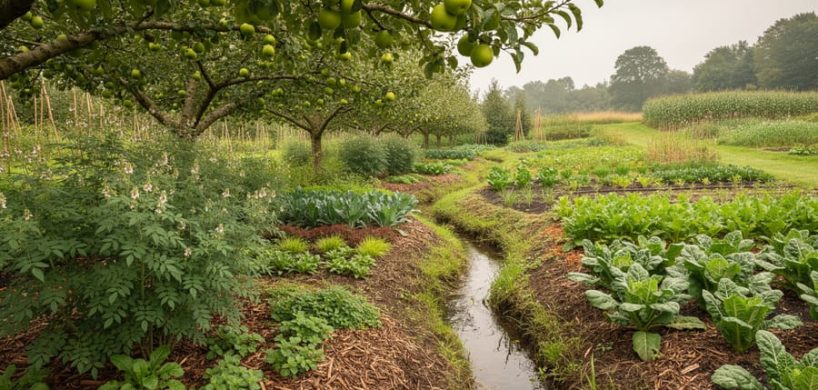
Layered permaculture garden with fruit trees, nitrogen-fixing shrubs, perennial vegetables, ground cover, and soil-rich mulch with water harvesting channels.

Permaculture farming is a design-based approach to agriculture that mimics natural ecosystems to create self-sustaining food production systems requiring minimal external inputs. Rather than fighting against nature with synthetic fertilizers and pesticides, permaculture works with natural patterns to build soil health, conserve water, and increase biodiversity while producing food. The method has moved from fringe concept to practical solution as conventional agriculture faces mounting pressure from climate instability, water scarcity, and soil degradation.
At its core, permaculture applies three ethics: care for the earth, care for…

Why Arable Farming Is Reinventing Itself for a Climate-Challenged World

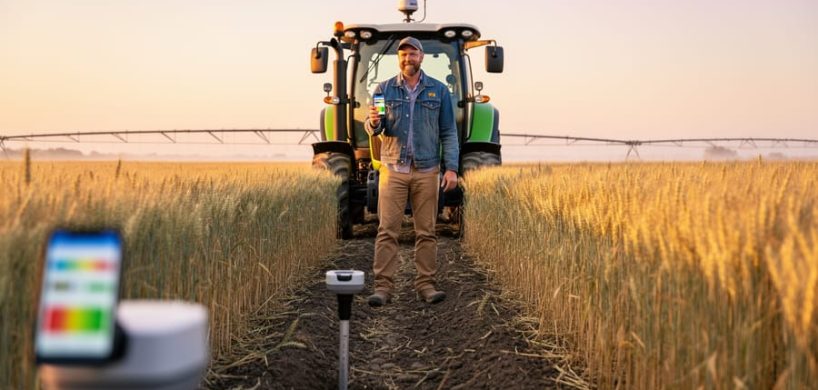
Sunrise in a wheat field with an autonomous tractor and a farmer holding a smartphone while using climate-smart soil monitoring.

Arable farming stands at one of the most transformative crossroads in agricultural history, where centuries-old soil cultivation meets precision technology that can predict yield outcomes down to the square meter. As of 2026, the 1.5 billion hectares of arable land worldwide must feed an increasingly urban population while contending with unpredictable weather patterns, depleted soil nutrients, and water scarcity that would have seemed unthinkable a generation ago.
The stakes couldn’t be higher. Traditional crop production on open fields still …

Korean Natural Farming Meets Hydroponics: What Indoor Growers Can Actually Use

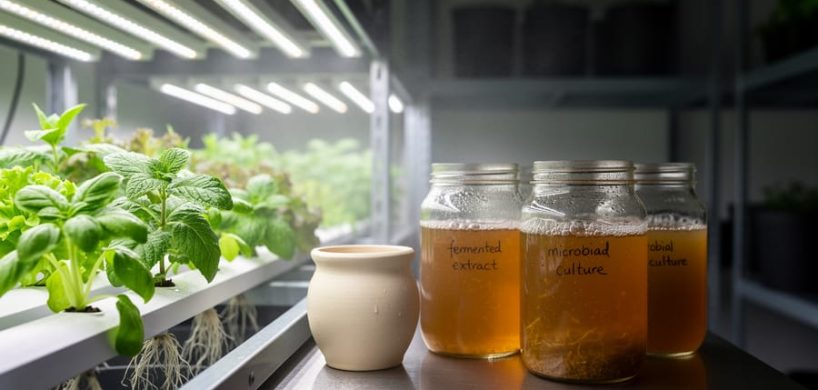
Indoor hydroponic grow room with fresh green herbs in channels, alongside glass jars and a ceramic crock suggesting fermented natural farming inputs.

Korean Natural Farming represents a fundamentally soil-based agricultural philosophy that relies on cultivating indigenous microorganisms, creating fermented plant and animal inputs, and building living soil ecosystems over time. If you’re running hydroponic or indoor growing systems, you need to understand upfront that KNF wasn’t designed for controlled environment agriculture. The technique originated in South Korea through the work of Master Cho Han-kyu, who developed methods to collect and propagate naturally occurring beneficial microbes from forest floors, create nutrient-dense ferments from local plant materials, and …

Why Biodynamic Wine Is Growing Faster Than Any Other Organic Beverage

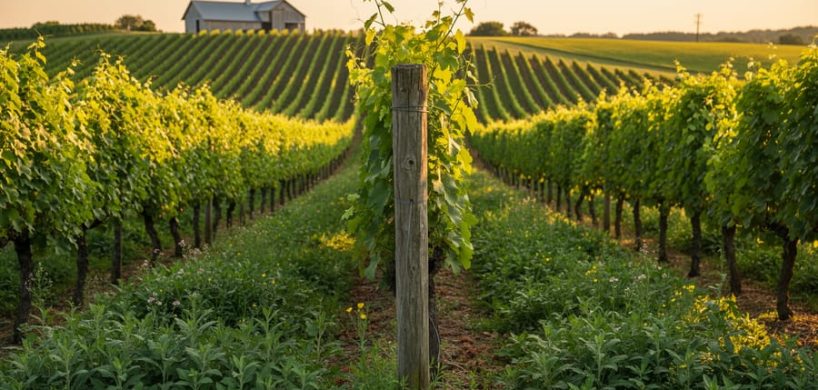
Golden-hour view of healthy grapevines and cover crops in a biodynamic vineyard with trellises and distant farm buildings.

Biodynamic wine farming treats the vineyard as a living organism, where celestial rhythms guide planting schedules, fermented herbal preparations enrich the soil, and livestock integration creates a self-sustaining ecosystem that produces wines with distinctive terroir. While skeptics question the cosmic timing aspects, the methodology’s rigorous closed-loop systems and biodiversity focus deliver measurable results that align surprisingly well with modern agricultural science.
The practice extends far beyond organic certification. Biodynamic vineyards operate as complete farms, cycling nutrients through composting, cover crops…

My Riding Mower Won’t Move- What Is Wrong with It?

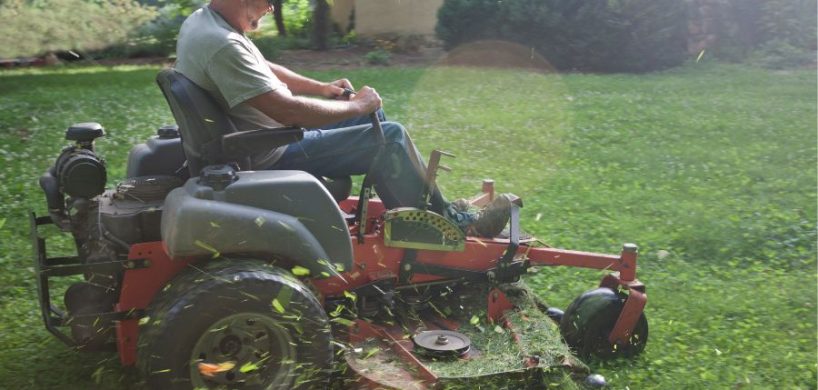
Man cutting grass

It happens to the best of us. You decide to trim your lawn to perfect, and when you get ready to start work- your lawn mower develops a mind of its own. It just won’t move!
Frankly, it’s frustrating and puzzling when your riding mower won’t move. A riding lawn mower is essential for many homeowners, streamlining the lawn maintenance task.
It’s crucial to know what to do when your lawn mower encounters issues preventing it from functioning properly. Luckily, you’ve got us! This …

Vertical Farming for Food Security

In the last two decades, world food costs have risen by an average of 2.6 percent each year. Rising food prices are adequate proof that traditional agriculture is failing. Research shows that 64% of developing countries are commodity-dependent, and 60% of leafy greens worldwide are from three countries only.
If these trends continue, it will not only jeopardize our basic quality of life by diverting more spare funds to food, but it will also undermine our overall food security.
Vertical farming, a technology-driven agricultural paradigm, may offer a means of addressing agriculture production and food security in the next …

Developing Urban Agriculture

With rising urban populations and an unreliable market system and food supply chain, we ought to develop a more sustainable and secure way to grow and deliver food to our society.
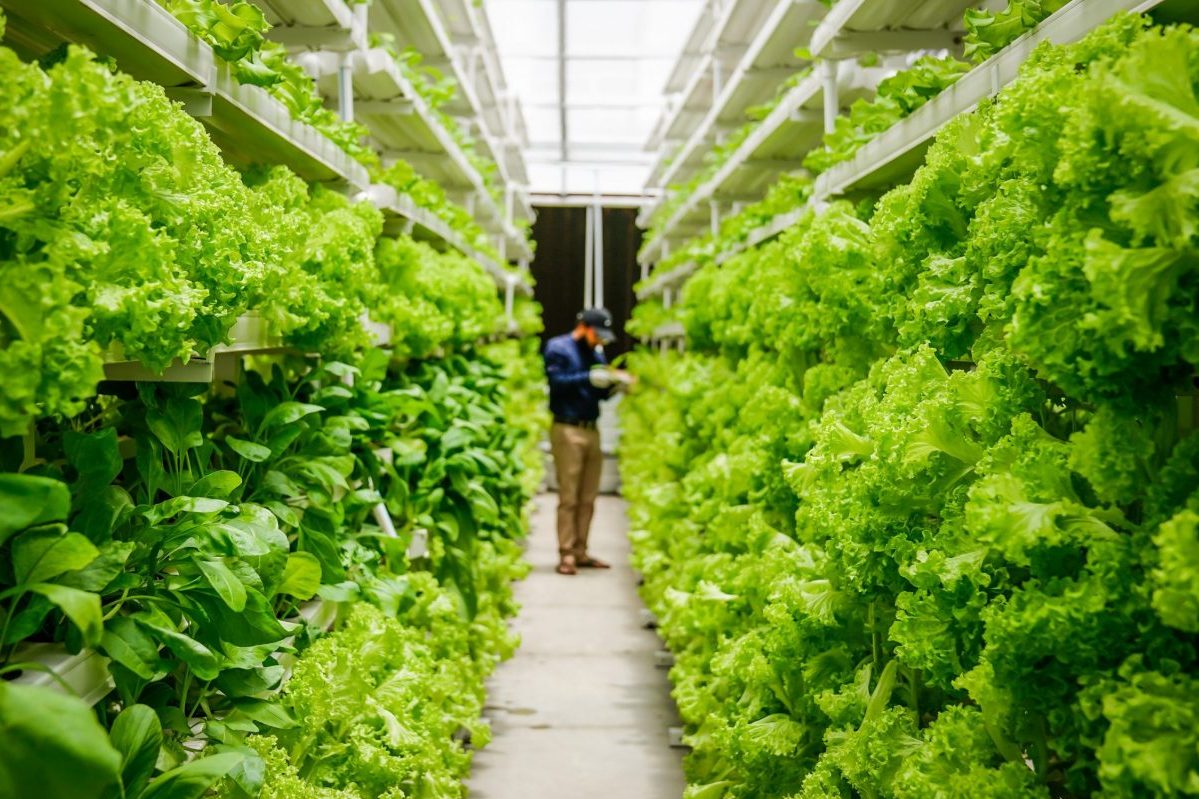
Our farms employ community-based greenhouses integrated with sustainable vertical farming tools to assist cities all around the planet produce significant amounts of food.
We have established a new benchmark for urban development and urban farming. With our indoor vertical farms, we hope to increase local food accessibility, city sustainability, and income development, allowing the society and its future to thrive.
We understand how critical …

Indoor Vertical Farming as a Service

Since its inception, Home Grown Farm has been the market leader in indoor vertical farming. We optimize growth using one-of-a-kind aeroponics that uses up to 90% less water and zero chemicals.
At our company, horticulture intertwines with biology, engineering, food hygiene, machine learning, and feeding practices. This offers us the fantastic opportunity to explore plant biology in ways never recognized before.
Our commercial farms are designed for year-round production, ensuring that you always have a fresh supply of herbs, fruits, and vegetables, regardless of the season or weather. We have cultivated over 500 different …