Why Arable Farming Is Reinventing Itself for a Climate-Challenged World
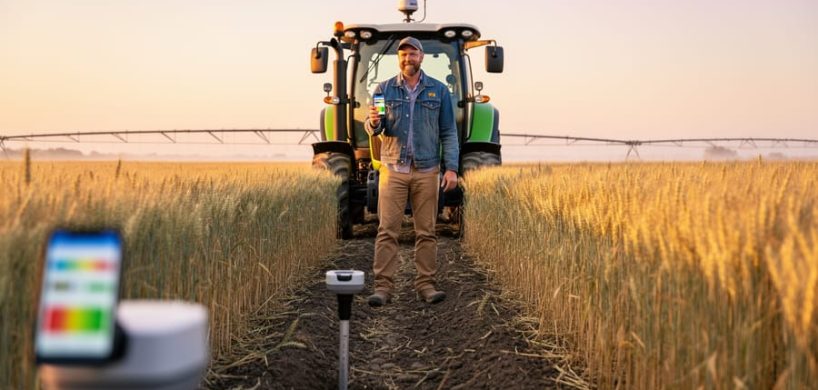
Sunrise in a wheat field with an autonomous tractor and a farmer holding a smartphone while using climate-smart soil monitoring.

Arable farming stands at one of the most transformative crossroads in agricultural history, where centuries-old soil cultivation meets precision technology that can predict yield outcomes down to the square meter. As of 2026, the 1.5 billion hectares of arable land worldwide must feed an increasingly urban population while contending with unpredictable weather patterns, depleted soil nutrients, and water scarcity that would have seemed unthinkable a generation ago.
The stakes couldn’t be higher. Traditional crop production on open fields still …

Korean Natural Farming Meets Hydroponics: What Indoor Growers Can Actually Use

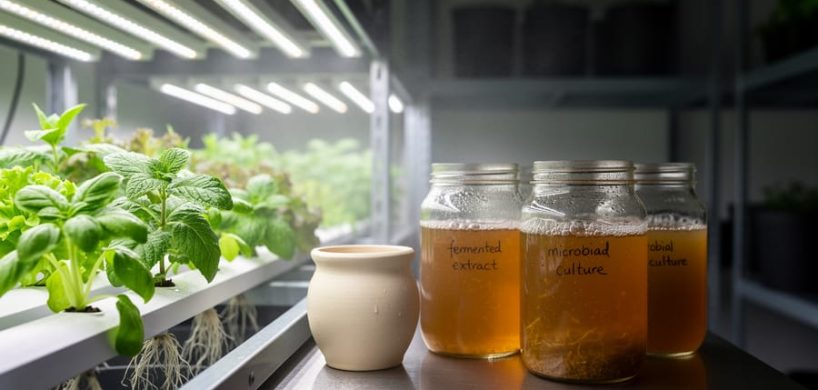
Indoor hydroponic grow room with fresh green herbs in channels, alongside glass jars and a ceramic crock suggesting fermented natural farming inputs.

Korean Natural Farming represents a fundamentally soil-based agricultural philosophy that relies on cultivating indigenous microorganisms, creating fermented plant and animal inputs, and building living soil ecosystems over time. If you’re running hydroponic or indoor growing systems, you need to understand upfront that KNF wasn’t designed for controlled environment agriculture. The technique originated in South Korea through the work of Master Cho Han-kyu, who developed methods to collect and propagate naturally occurring beneficial microbes from forest floors, create nutrient-dense ferments from local plant materials, and …

Why Biodynamic Wine Is Growing Faster Than Any Other Organic Beverage

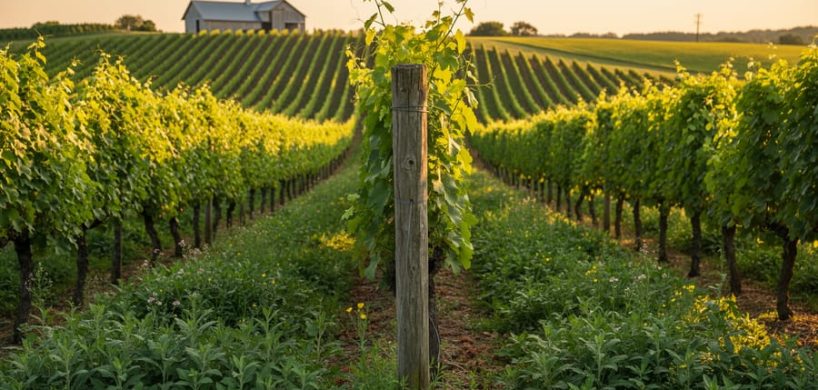
Golden-hour view of healthy grapevines and cover crops in a biodynamic vineyard with trellises and distant farm buildings.

Biodynamic wine farming treats the vineyard as a living organism, where celestial rhythms guide planting schedules, fermented herbal preparations enrich the soil, and livestock integration creates a self-sustaining ecosystem that produces wines with distinctive terroir. While skeptics question the cosmic timing aspects, the methodology’s rigorous closed-loop systems and biodiversity focus deliver measurable results that align surprisingly well with modern agricultural science.
The practice extends far beyond organic certification. Biodynamic vineyards operate as complete farms, cycling nutrients through composting, cover crops…