
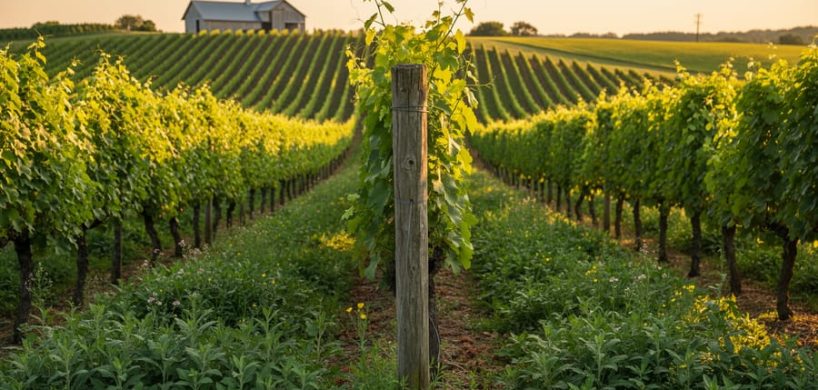
Biodynamic wine farming treats the vineyard as a living organism, where celestial rhythms guide planting schedules, fermented herbal preparations enrich the soil, and livestock integration creates a self-sustaining ecosystem that produces wines with distinctive terroir. While skeptics question the cosmic timing aspects, the methodology’s rigorous closed-loop systems and biodiversity focus deliver measurable results that align surprisingly well with modern agricultural science.
The practice extends far beyond organic certification. Biodynamic vineyards operate as complete farms, cycling nutrients through composting, cover crops, and animal grazing rather than importing synthetic inputs. This mirrors the resource efficiency principles driving today’s vertical farming innovations, where every input serves multiple purposes and waste streams become resources. The difference lies in scale and setting: biodynamic methods harness hundreds of acres and seasonal patterns, while controlled environment agriculture compresses those cycles into compact, year-round production.
Rudolf Steiner introduced these principles in 1924, but the wine industry has embraced them with growing enthusiasm over the past two decades. Major conferences throughout 2026 continue showcasing biodynamic viticulture’s expansion, as producers report improved soil health, enhanced vine resilience, and wines that command premium prices. Demeter International now certifies over 1,000 wineries globally, spanning regions from Burgundy to California’s Central Coast.
The appeal crosses demographics. Wine consumers increasingly seek bottles with transparent production stories and environmental credentials. Vineyard managers find the framework offers practical solutions for climate adaptation, soil degradation, and chemical dependency. The astronomical planting calendar might raise eyebrows, yet the underlying agricultural practices build soil carbon, increase water retention, and foster beneficial microbial communities that conventional and even organic methods often overlook.
Understanding biodynamic wine means examining both its philosophical foundations and its tangible farming techniques, then deciding which elements deserve serious consideration for sustainable agriculture’s future.
What Makes Biodynamic Wine Different From Organic
The Science Behind the Moon Phases
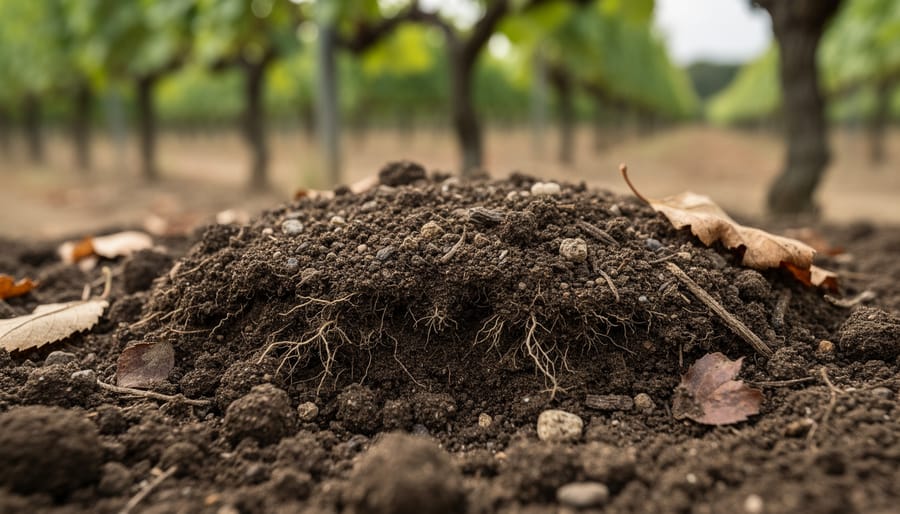
The skepticism around lunar planting calendars is understandable, but recent soil science research reveals intriguing correlations that warrant serious examination. Studies on soil microbiome activity show measurable fluctuations in microbial populations and enzymatic activity that align with lunar cycles. The gravitational pull affecting tides doesn’t stop at ocean water; soil moisture and sap flow in plants respond to similar forces, though at smaller magnitudes.
Research examining lunar rhythms in agriculture has documented changes in seed germination rates, root development patterns, and even pest activity that correspond to moon phases. The mechanism appears linked to soil water availability and hormonal responses in plants rather than mystical influence. During full moons, soil moisture is drawn slightly higher in the profile, potentially affecting nutrient availability to root systems.
What makes this relevant for viticulture is timing sensitivity. Grapevines already respond dramatically to stress triggers; harvest timing can shift wine chemistry within 48 hours. If lunar-timed interventions optimize soil conditions when vines are most receptive to nutrient uptake or pruning recovery, the cumulative effect over a growing season becomes significant. Modern biodynamic vintners now combine traditional moon calendars with soil moisture sensors and sap flow meters, using data to validate or adjust timing rather than following schedules blindly. This hybrid approach represents exactly the kind of technology-enhanced tradition that’s pushing sustainable agriculture forward.
Demeter Certification: What It Really Requires
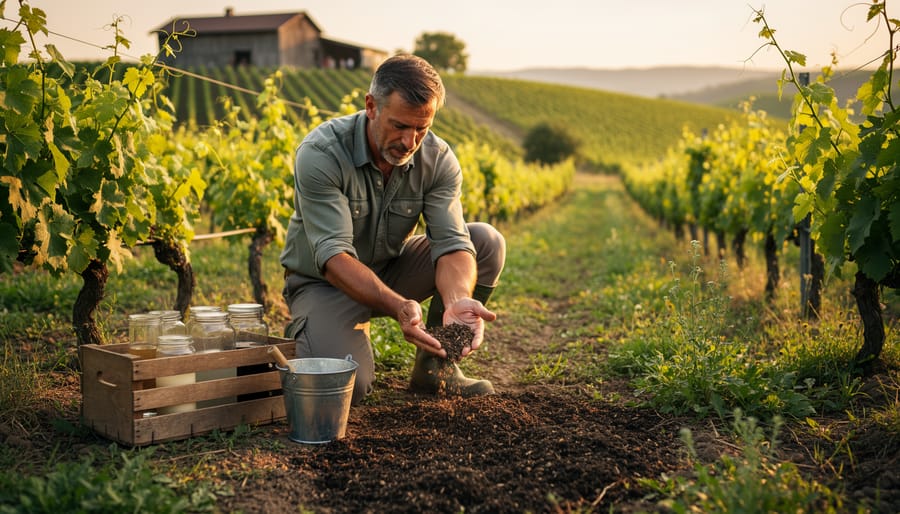
Earning Demeter certification demands far more than eliminating synthetic pesticides. A vintner must transform their entire vineyard into a self-sustaining ecosystem, implementing specific biodynamic preparations at precise times throughout the growing season. The farm needs livestock to produce compost, cover crops rotated through vineyard rows, and all inputs sourced from the property itself or other certified biodynamic operations.
Demeter standards go beyond organic by requiring the use of eight numbered preparations, including horn manure buried over winter and horn silica sprayed at dawn. Certification inspectors verify that at least 50% of livestock feed comes from the farm, that compost piles are built according to specific ratios, and that planting and harvesting align with lunar calendars.
The application process takes three years of transition from conventional methods. During this period, vineyards must document every preparation application, maintain detailed records of compost temperatures and turning schedules, and demonstrate closed-loop nutrient cycling. Inspectors visit annually to audit soil tests, review astronomical planting logs, and confirm that synthetic fertilizers haven’t touched the land.
For winemakers, certification extends into the cellar. Only native yeasts can ferment the juice, sulfite additions face strict limits, and even filtration methods require approval. This comprehensive approach explains why fewer than 1% of global vineyards carry Demeter status, yet those that do command premium prices from consumers who recognize the commitment behind each bottle.
The Technology-Meets-Tradition Revolution in Biodynamic Vineyards
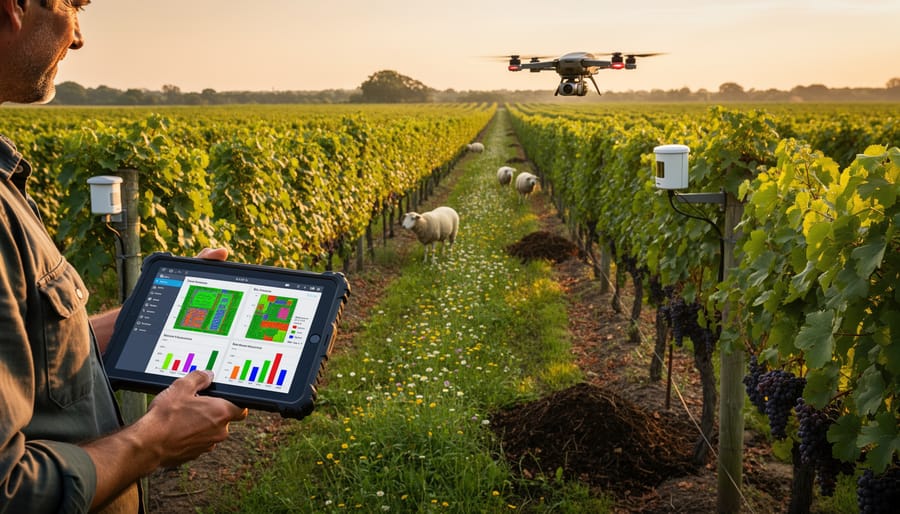
The romantic image of a vintner following moon phases and stirring cow-horn preparations hasn’t disappeared from biodynamic vineyards. It’s been joined by soil moisture sensors, drone-equipped multispectral cameras, and real-time data dashboards. This collision between ancient wisdom and cutting-edge technology is redefining what sustainable wine production looks like in 2026.
Modern biodynamic producers have discovered that technology doesn’t undermine their principles, it amplifies them. At progressive estates, precision agriculture tools now track exactly what Rudolf Steiner’s followers once had to observe by instinct. Wireless sensors buried throughout vineyard blocks measure soil temperature, moisture levels, and microbial activity continuously, helping growers determine optimal timing for biodynamic preparations. When the preparation 500 goes into the ground, data loggers document the soil response, building an evidence base that supports centuries-old practices.
This approach mirrors the same philosophy driving non-GMO farming innovations elsewhere: work with natural systems, enhance rather than replace them, and use technology to understand rather than override biology. Drone imagery reveals vine stress patterns invisible to the naked eye, allowing targeted interventions with biodynamic teas or composts instead of blanket treatments across entire blocks. Some vintners even employ AI-powered weather prediction models to refine their lunar planting calendars, cross-referencing traditional timing with microclimate forecasts.
The data collection serves another purpose beyond farm management. Younger consumers and investors want proof that sustainability claims aren’t just marketing. When a biodynamic vineyard can document measurable improvements in soil carbon sequestration, water retention rates, or pollinator diversity over a five-year period, those numbers become powerful validation. Third-party auditors and certification bodies increasingly rely on this digital record-keeping alongside traditional on-site inspections.
The technology integration extends to closed-loop resource tracking. Software platforms now monitor every input and output on biodynamic estates, from compost production to bottling waste streams. This level of transparency would have been prohibitively labor-intensive a decade ago, but automated systems make it standard practice. The result is vineyards that maintain biodynamic certification while meeting the operational efficiency standards investors expect, proving that tradition and innovation aren’t opposing forces in sustainable agriculture.
Why 2026 Is a Breakthrough Year for Biodynamic Wine
The wine industry has scheduled more biodynamic and organic agriculture events in 2026 than any previous year, signaling that these practices have moved from fringe experiment to recognized standard. What began as scattered educational sessions has evolved into a coordinated calendar of conferences, tastings, and farm tours that make biodynamic principles accessible to both producers and consumers.
The momentum centers on events that eliminate traditional barriers to entry. The Organically Grown Wine Conference returns on April 20 and 21, 2026, with an unprecedented network of location partners including Linfield University, Soter Vineyards, Alexana Estate, Chemeketa Community College, and Stillwater. Most significantly, all events are free to the public, removing the cost obstacle that previously kept smaller producers and curious consumers from participating in these educational gatherings.
| Event | Date | Location | Access |
|---|---|---|---|
| Mid-Atlantic Grain Fair | March 15, 2026 | Rodale Institute, PA | Free, family-friendly |
| Organically Grown Wine Conference | April 20-21, 2026 | Multiple Oregon venues | Free to public |
| Chelsea Green at Polyface Farms | September 25-26, 2026 | Swoope, Virginia | Registration required |
These gatherings represent a strategic shift in how biodynamic knowledge spreads. Earlier conferences targeted established vintners already committed to alternative methods. The 2026 events deliberately court newcomers, offering hands-on demonstrations at working farms and universities rather than abstract lectures in hotel ballrooms. Chelsea Green Publishing’s first-ever in-person event at Polyface Farms in Swoope, Virginia on September 25-26 exemplifies this approach, bringing participants directly to a functioning biodynamic operation where they can observe closed-loop systems in action.
The geographic spread matters as much as the calendar density. Oregon’s wine country, Pennsylvania’s grain belt, and Virginia’s diversified farms create regional centers of expertise rather than concentrating knowledge in a single location. This distribution allows biodynamic practices to adapt to different climates, soil types, and market conditions, proving that the methodology scales beyond its European origins. When growers can attend a free conference within their own region and meet neighbors already implementing these techniques, adoption accelerates.
Environmental Benefits That Go Beyond Carbon
Closed-Loop Systems: Lessons for Vertical Farming
Biodynamic vineyards operate as self-contained ecosystems where nothing goes to waste. Livestock provide manure for compost, cover crops fix nitrogen and prevent erosion, and vineyard prunings become mulch. This circular approach maintains soil fertility without external inputs, creating resilient farms that buffer against supply chain disruptions and input price volatility.
Modern vertical farms are adopting similar principles, though the technologies differ dramatically. Instead of sheep grazing between vine rows, controlled environment agriculture recirculates nutrient solutions, captures condensation for reuse, and cycles plant waste into compost or biogas. Both systems share a fundamental insight: reducing dependency on external resources increases long-term stability and profitability.
The biodynamic emphasis on building soil biology offers lessons for hydroponic growers struggling with food safety and pathogen control. By cultivating beneficial microbes and maintaining diverse ecosystem checks and balances, biodynamic farms create natural disease suppression that indoor operations increasingly try to replicate through probiotics and biocontrols rather than harsh sterilization.
Where biodynamic vineyards achieve closure through biodiversity and spatial integration, vertical farms close the loop through precision monitoring and resource engineering. A 2026 biodynamic operation might track lunar cycles on paper while a vertical farm logs every photon and nutrient molecule digitally, yet both pursue the same goal: agricultural systems that regenerate rather than deplete their foundation.
The Economics: Does Biodynamic Wine Pay Off?
Switching to biodynamic viticulture represents a substantial upfront investment that forces producers to think in five-year timeframes rather than single vintages. Conversion typically costs $15,000 to $25,000 per acre when you factor in new equipment, compost preparation facilities, and Demeter certification fees. Labor requirements jump 20 to 30 percent because mechanization can’t replace tasks like applying preparation 500 by hand or managing cover crop diversity across microclimates.
The yield question cuts both ways. Most vineyards see production drop 10 to 15 percent in the first three years as soil biology rebuilds and vines adjust to elimination of synthetic inputs. However, long-established biodynamic estates report that after this transition period, yields often stabilize at 90 to 95 percent of conventional levels while grape quality measurably improves. The crucial difference is resilience: biodynamic vineyards maintain more consistent production during drought years because their soil structure retains moisture more efficiently.
- Premium pricing potential of 25 to 40 percent above conventional wines offsets initial investment over time.
- Soil health improvements compound annually, reducing input costs after year five.
- Growing consumer demand creates competitive advantage in specialty markets.
- Operational cost savings from eliminated synthetic fertilizers and pesticides become significant by year three.
- Certification process takes three years minimum, delaying premium label benefits.
- Labor-intensive practices increase ongoing payroll costs permanently.
- Initial yield reduction of 10 to 15 percent impacts cash flow during transition.
- Smaller production volumes limit ability to fulfill large wholesale contracts.
For consumers, the value proposition extends beyond environmental ethics. Biodynamic wines command $35 to $120 per bottle in 2026 markets, which seems steep until you compare it to vertical farming trends where premium pricing reflects genuine production differences rather than marketing alone. You’re paying for lower sulfite levels, more complex flavor development from diverse vineyard ecosystems, and farming practices that improve rather than degrade the land. The question isn’t whether biodynamic costs more, it does, but whether the combination of taste, health considerations, and environmental impact justifies the premium for your priorities and budget.
How to Identify and Choose Quality Biodynamic Wines
Shopping for biodynamic wine doesn’t require specialized knowledge, but a few key markers will help you identify authentic bottles and avoid greenwashing. Start with the Demeter certification logo, which appears on labels of wines that meet strict biodynamic standards. This small circular symbol guarantees the vineyard followed biodynamic practices for at least three years. You can verify any certification claim through Demeter’s online database, which lists every certified vineyard and their certification dates.
Beyond certification, examine where the wine originates. Regions with established biodynamic communities produce more consistently excellent bottles. Look for producers from Alsace, Austria’s Burgenland, Oregon’s Willamette Valley, or California’s North Coast, where vintners share knowledge and hold each other to high standards.
Price tells part of the story. In 2026, entry-level biodynamic wines start around $18-22, reflecting the labor-intensive farming methods. Paying $25-40 typically gets you wines from established producers with a decade of practice. Above $50, you’re investing in limited-production bottles or premium terroir. Avoid anything under $15 claiming biodynamic status; the economics rarely work at that price point.
Flavor expectations vary by grape and region, but many biodynamic wines show heightened minerality and a certain vibrancy that reflects living soil ecosystems. They often display clearer varietal character with less manipulation in the winery. Some producers note their biodynamic practices on the back label even without full Demeter certification, describing preparation use or lunar timing. These details signal genuine commitment.
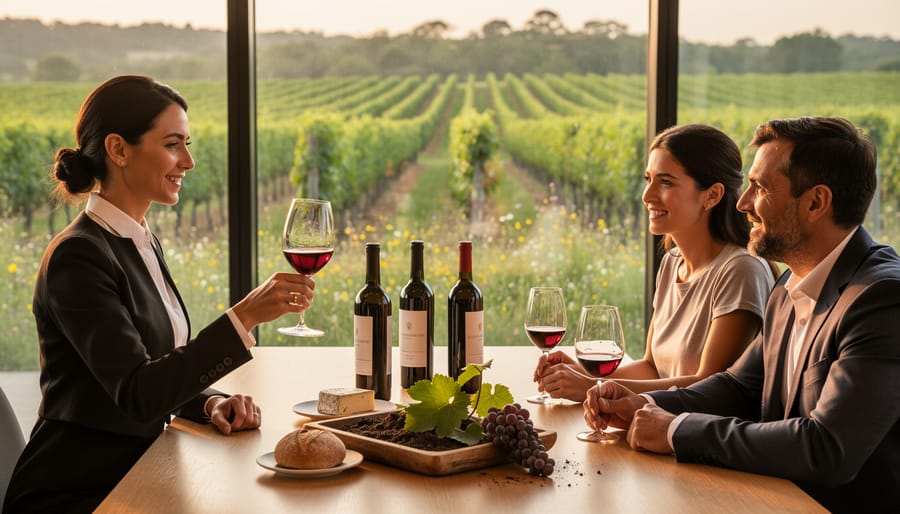
Tasting remains the ultimate test. Attend the free 2026 Organically Grown Wine Conference on April 20-21 if you’re in the Pacific Northwest, where you can sample directly from biodynamic vintners and learn what quality looks and tastes like firsthand.
Future Outlook: Scaling Biodynamic Principles Without Losing Integrity
As biodynamic wine gains mainstream traction in 2026, the industry faces a fundamental question: can these labor-intensive, farm-specific practices scale without becoming watered-down greenwashing? The answer lies not in abandoning core principles, but in applying precision technology to enhance traditional methods. Soil microbiome sensors can now validate the effectiveness of biodynamic preparations in real-time, while AI-driven analytics help determine optimal lunar cycle timing for specific vineyard terroirs. This merger of ancient wisdom and modern data transforms biodynamic farming from intuition-based practice into repeatable, verifiable science, making it teachable and scalable without sacrificing authenticity.
The broader implications extend far beyond viticulture. Biodynamic vineyards demonstrate that closed-loop, regenerative systems can produce premium products at commercial scale, a lesson directly applicable to vertical greenhouse farming and controlled environment agriculture. Both approaches prioritize minimal external inputs, nutrient cycling, and ecosystem health. As climate volatility increases, the resilience built into biodynamic systems, deeper root structures, enhanced water retention, diverse microbial communities, becomes less luxury and more necessity across all farming sectors.
The real test isn’t whether biodynamic wine can grow, but whether growth strengthens or dilutes the foundational commitment to soil health and biodiversity. Early indicators from 2026 suggest the industry is choosing the harder, more honest path: investing in producer education, rigorous certification oversight, and transparent consumer communication. If biodynamic viticulture succeeds at scale while maintaining these standards, it charts a course for agricultural innovation that prioritizes long-term ecosystem health over short-term yield maximization, exactly the shift our food systems require.
Biodynamic wine is far more than a consumer preference shift. It represents a working laboratory where centuries-old farming wisdom meets modern sustainability demands, proving that agriculture can be both productive and regenerative. The principles being refined in vineyards today, closed-loop nutrient cycles, biodiversity integration, soil health prioritization, offer blueprints for farming systems at every scale, from backyard gardens to vertical farms.
The growth trajectory tells a clear story. When winemakers accept higher labor costs and stricter standards to pursue biodynamic certification, they’re betting that consumers recognize the difference between greenwashing and genuine environmental stewardship. That bet is paying off in 2026, as evidenced by the expanding calendar of free educational events making these practices more accessible. The Organically Grown Wine Conference returns April 20-21, 2026, with sessions at partners including Linfield University and Soter Vineyards, offering hands-on learning at no cost to attendees.
Whether you’re a wine enthusiast, a farmer exploring regenerative methods, or simply someone who cares about where food comes from, biodynamic practices deserve your attention. Try a Demeter-certified bottle. Attend one of the 2026 conferences. Ask questions at your local wine shop about farming methods, not just flavor profiles.
The revolution in sustainable agriculture won’t come from a single technology or certification. It will come from farmers, producers and consumers demanding systems that work with nature rather than against it.