What Is Urban Agriculture (and How Does It Work)?
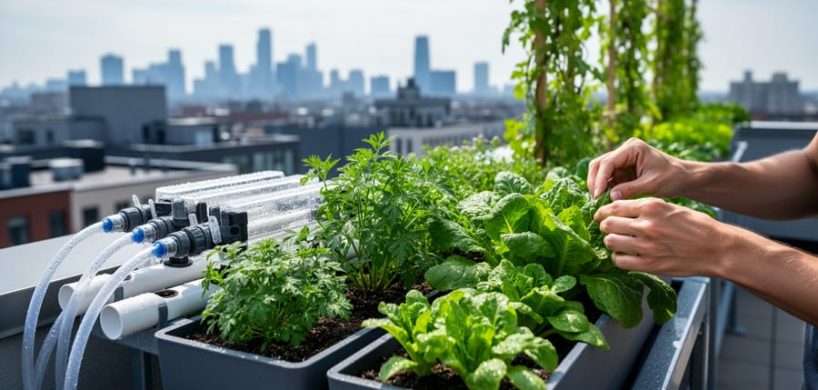
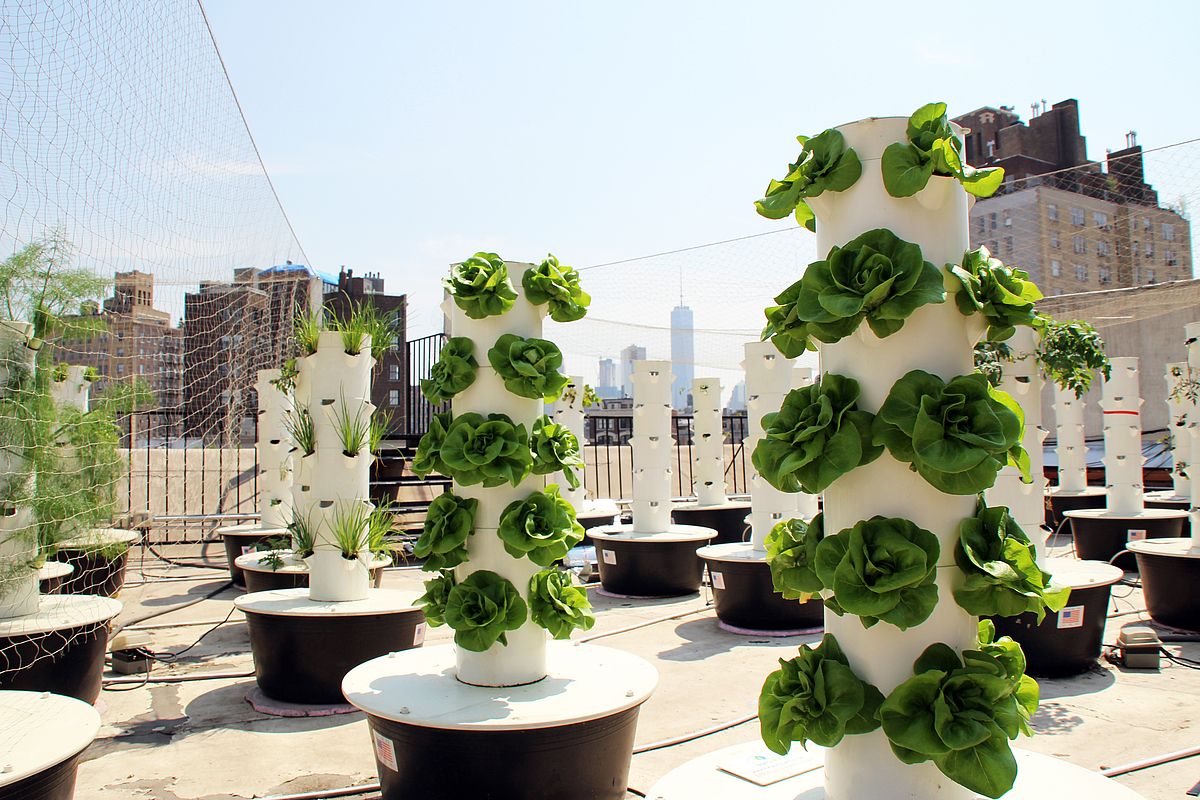
Close-up view of leafy green plants in rooftop planters and a compact hydroponic system with tubing, with a gardener’s hands adjusting herbs and a blurred city skyline in the background.

Urban agriculture is the practice of cultivating, processing, and distributing food within cities and towns, transforming underutilized spaces into productive growing environments. From rooftop gardens and vertical farms to community plots and hydroponic greenhouses, this approach brings food production directly into the urban landscape where most of the world’s population now lives.
The concept matters because cities face mounting pressure to address food security, environmental resilience, and sustainability challenges. By 2026, over 60% of the global population resides in urban areas, yet nearly all their food travels …

What Is Vertical Farming (and How Does It Work)?

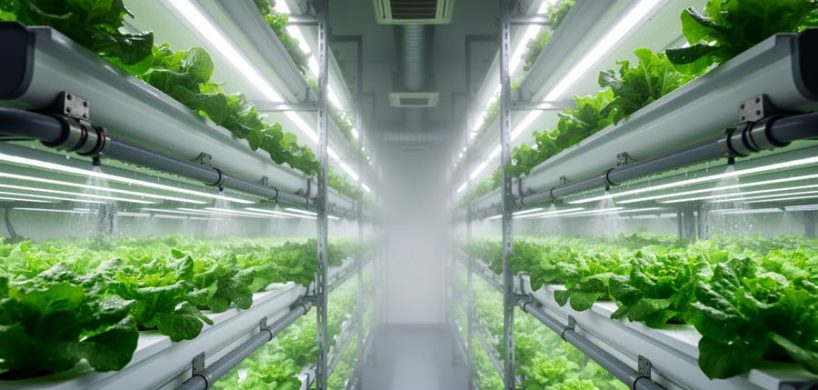
Leafy greens growing in vertically stacked hydroponic layers under LED lights inside a climate-controlled vertical farm.

Vertical farming is the practice of growing crops in vertically stacked layers within controlled indoor environments, using advanced technologies like LED lighting, hydroponics, and climate control systems to optimize plant growth without soil or natural sunlight. This agricultural innovation represents a fundamental shift in how we produce food, turning warehouses, shipping containers, and urban buildings into year-round production facilities that can operate anywhere, regardless of climate or geography.
As global populations concentrate in cities and arable land becomes increasingly scarce, vertical farming offers a practical …

Korean Natural Farming Meets Hydroponics: What Indoor Growers Can Actually Use

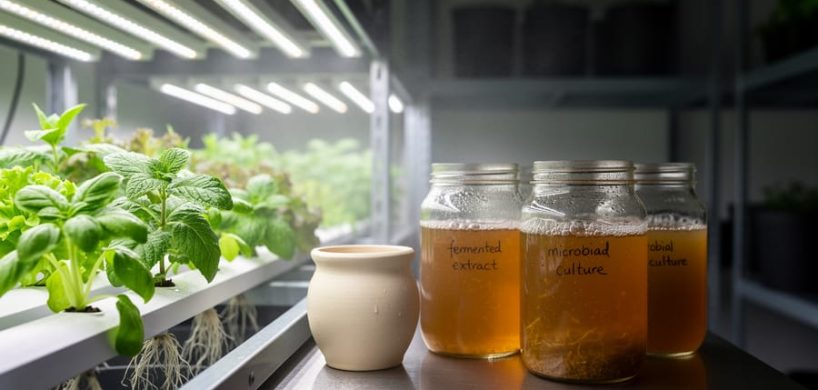
Indoor hydroponic grow room with fresh green herbs in channels, alongside glass jars and a ceramic crock suggesting fermented natural farming inputs.

Korean Natural Farming represents a fundamentally soil-based agricultural philosophy that relies on cultivating indigenous microorganisms, creating fermented plant and animal inputs, and building living soil ecosystems over time. If you’re running hydroponic or indoor growing systems, you need to understand upfront that KNF wasn’t designed for controlled environment agriculture. The technique originated in South Korea through the work of Master Cho Han-kyu, who developed methods to collect and propagate naturally occurring beneficial microbes from forest floors, create nutrient-dense ferments from local plant materials, and …

Why Biodynamic Wine Is Growing Faster Than Any Other Organic Beverage

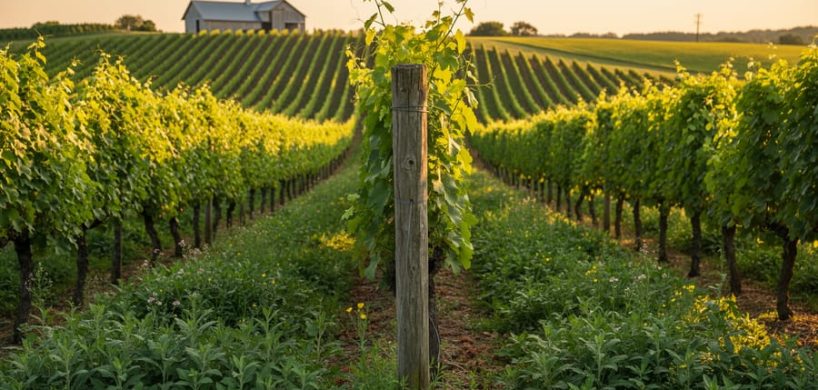
Golden-hour view of healthy grapevines and cover crops in a biodynamic vineyard with trellises and distant farm buildings.

Biodynamic wine farming treats the vineyard as a living organism, where celestial rhythms guide planting schedules, fermented herbal preparations enrich the soil, and livestock integration creates a self-sustaining ecosystem that produces wines with distinctive terroir. While skeptics question the cosmic timing aspects, the methodology’s rigorous closed-loop systems and biodiversity focus deliver measurable results that align surprisingly well with modern agricultural science.
The practice extends far beyond organic certification. Biodynamic vineyards operate as complete farms, cycling nutrients through composting, cover crops…

The Benefits of Using Spray Foam Insulation in Your Chicken Coop

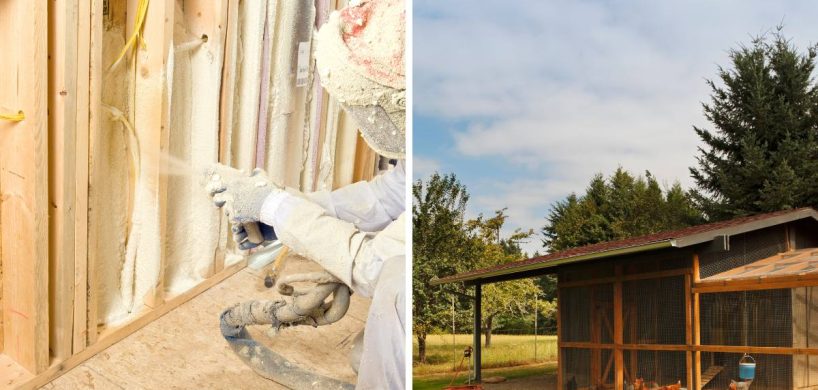
Hey there! If you’re diving into a DIY project for your backyard, specifically building a chicken coop, you might want to consider using spray foam insulation. Spray foam is a versatile material that expands to fill cracks and crevices, forming a tight seal. It’s known for its excellent insulation properties, which can be a game-changer in keeping your coop comfy and cozy for your feathered friends. Plus, a quick tip right off the bat: to get spray foam off your hands, rub them with a combination of vegetable oil and dish …

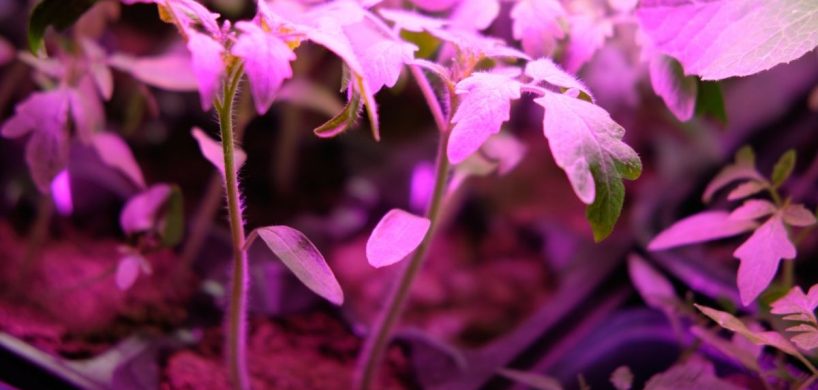
Growing Plants With Solar Heat Lamps: The Benefits and Drawbacks

Can plants be cultivated using heat lamps as an alternative to sunlight? The short answer is yes, because similarly to the Sun, heat lamps emit both light and heat. However, if you critically assess this question, is the light and heat from a synthetic light source enough to grow plants? Is there something else they need in addition to heat and light?
For plants to grow under solar-powered heat lamps, this light source must be capable of certain things:

Enabling lighting regulation to imitate day to night cycles

The Future Trends of Vertical Farming

There are a lot of predictions for 2025 in various industries, and the food industry is no exception. Here are some vertical farming trends that we expect to see through 2025.
1. More Urban Consumption
Our planet is becoming more urbanized. This growing urbanization is causing a slew of problems, one of which is increased food insecurity. This issue may be addressed with the aid of vertical farming. Plants are cultivated indoors and piled vertically in containers in a vertical farm.
As a result, a vertical farm can produce significantly more food in far less space than regular farms. Due to the fact …

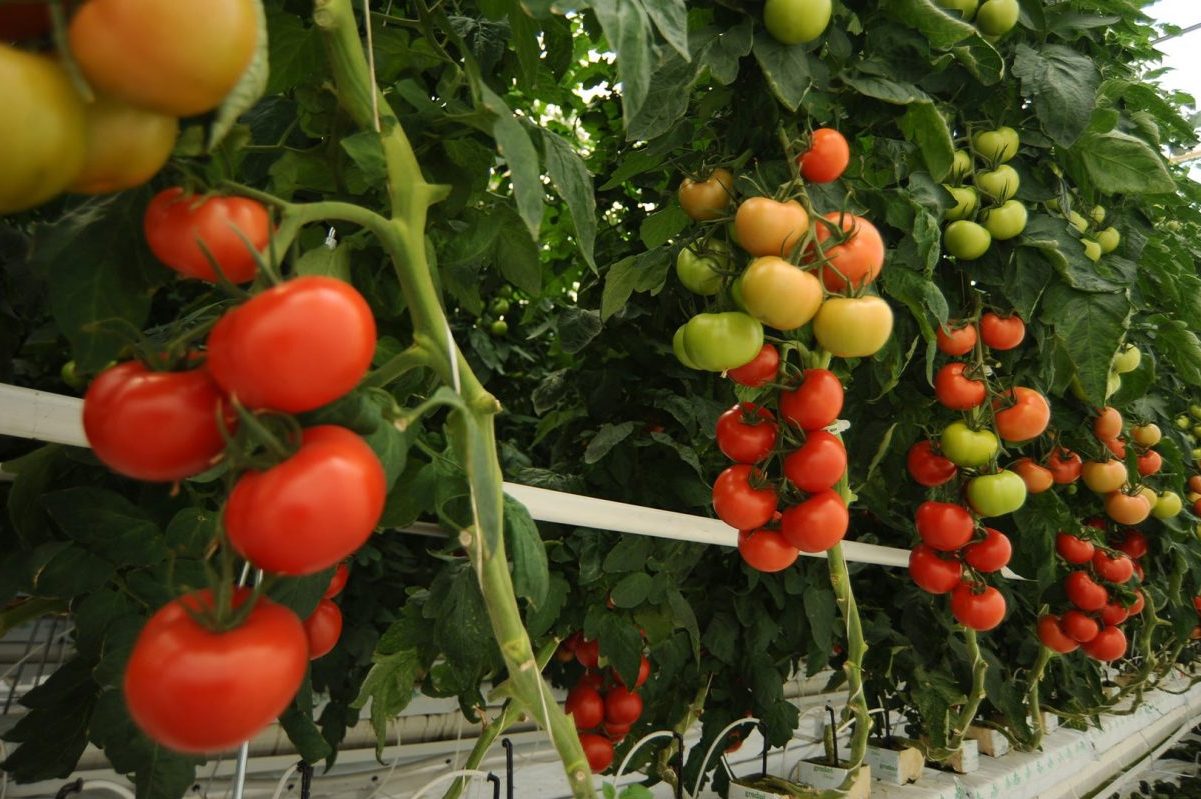
The Importance of Food Safety in Hydroponic Farming

One big advantage of a hydroponic conservatory over an open-air farm is that food standards can be conveniently ensured. To do so, however, you must first grasp how to maintain, clean, and monitor your hydroponics system.
Tips for Cleaning a Hydroponic System
A hydroponics system is complicated, with many components that must be maintained and examined regularly. Starting at the top and working your way down is the simplest approach to clean the overall system. You are significantly less likely to contaminate parts of the network that have been cleaned this way.
1. Remove the Plants…

Non-GMO, The Future of Farming

As the world’s health has become a major concern, various initiatives have been implemented to make better meals for people. People have also prioritized making the food manufacturing process more environmentally friendly.
What is GMO?
Genetically Modified Organisms (GMOs) are plants, animals, or microbes whose genetic composition has been altered in a facility using genetic modification. As a result, GMOs are entities that do not exist in nature.
People are becoming increasingly interested in natural foods, and non-GMO foods are essential for world health. Farmers have solved these challenges …

A Simple Guide to Hydroponic Growing Media

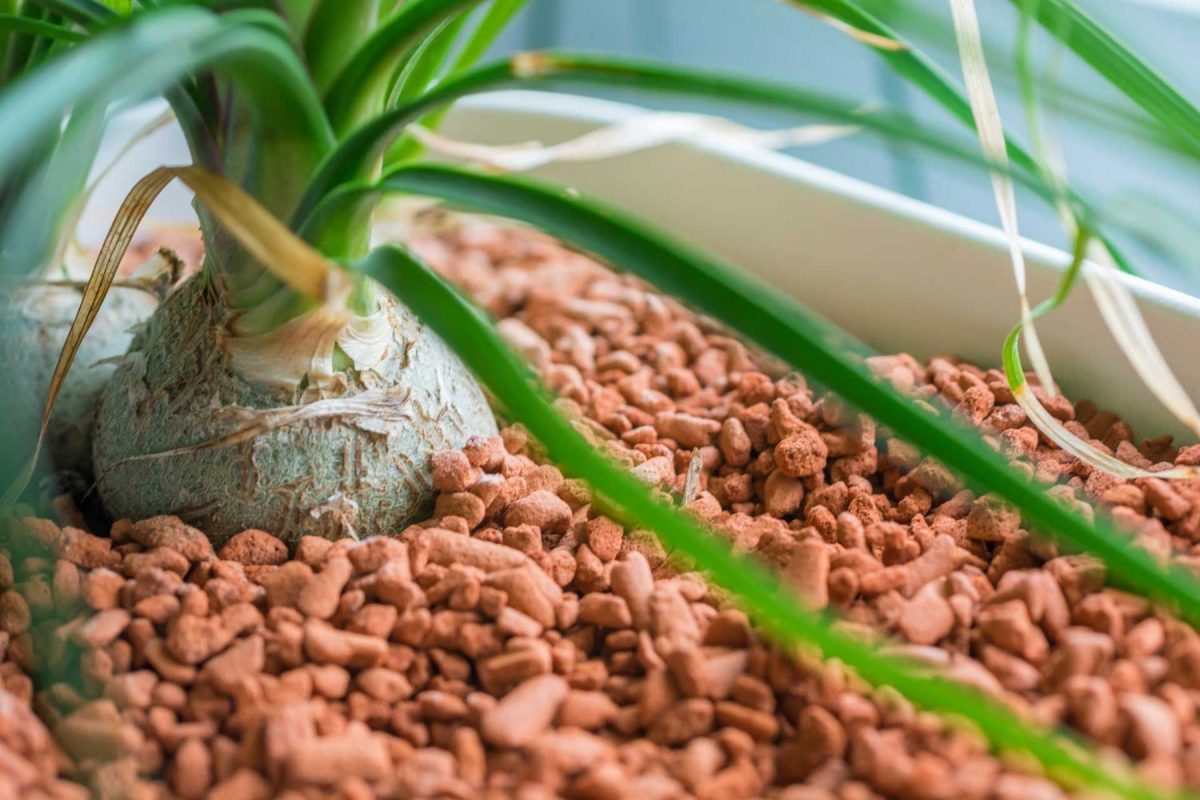
Plants grow in water on a hydroponic farm compared to traditional farming, where plants grow on soil. However, because hydroponic farmers do not have access to traditional soil as a growth medium, they might become perplexed as to which growing medium is appropriate for their operations.
Coconut coir, mineral wool, and peat are the most popular media alternatives. We will go through these and other points farther down.